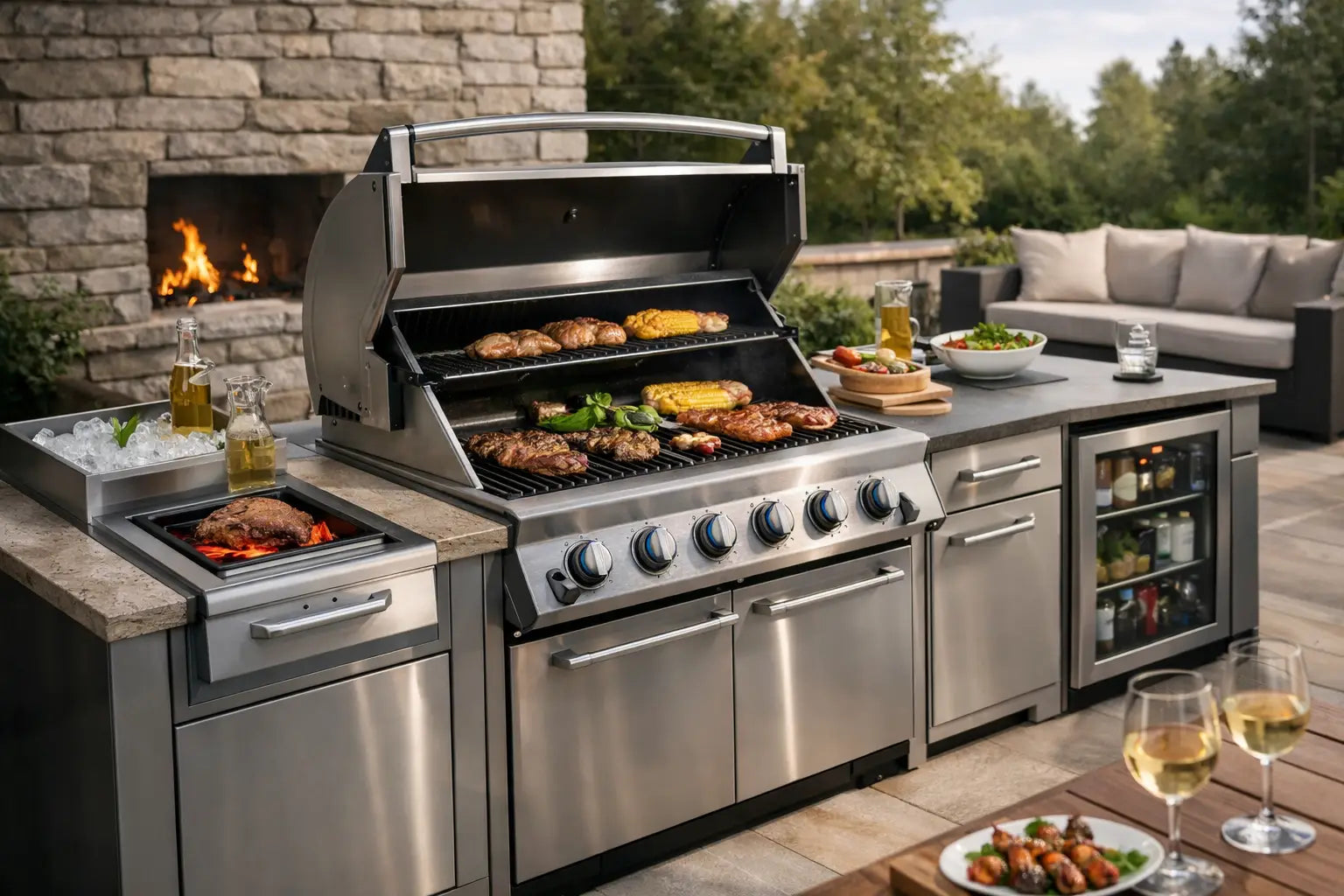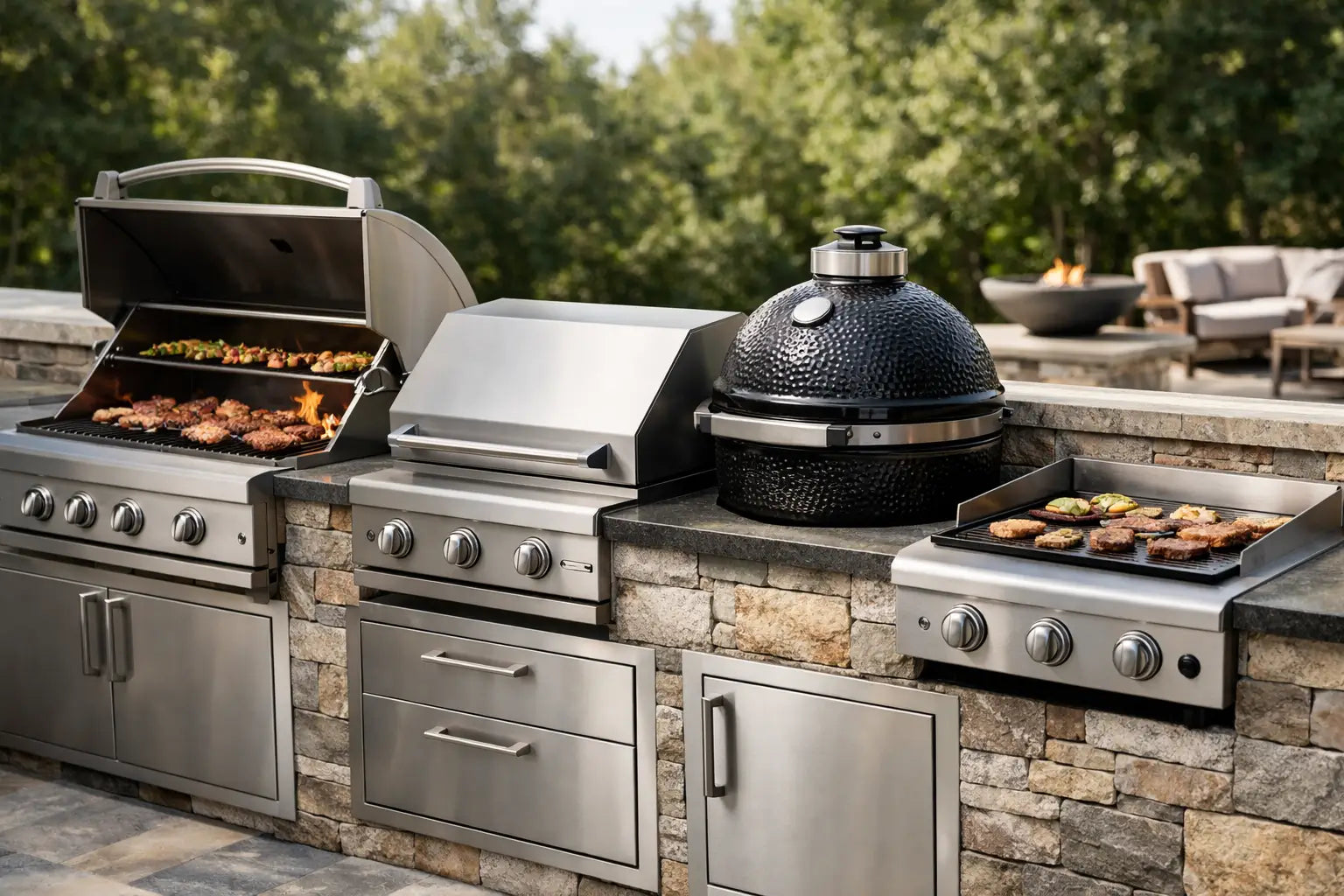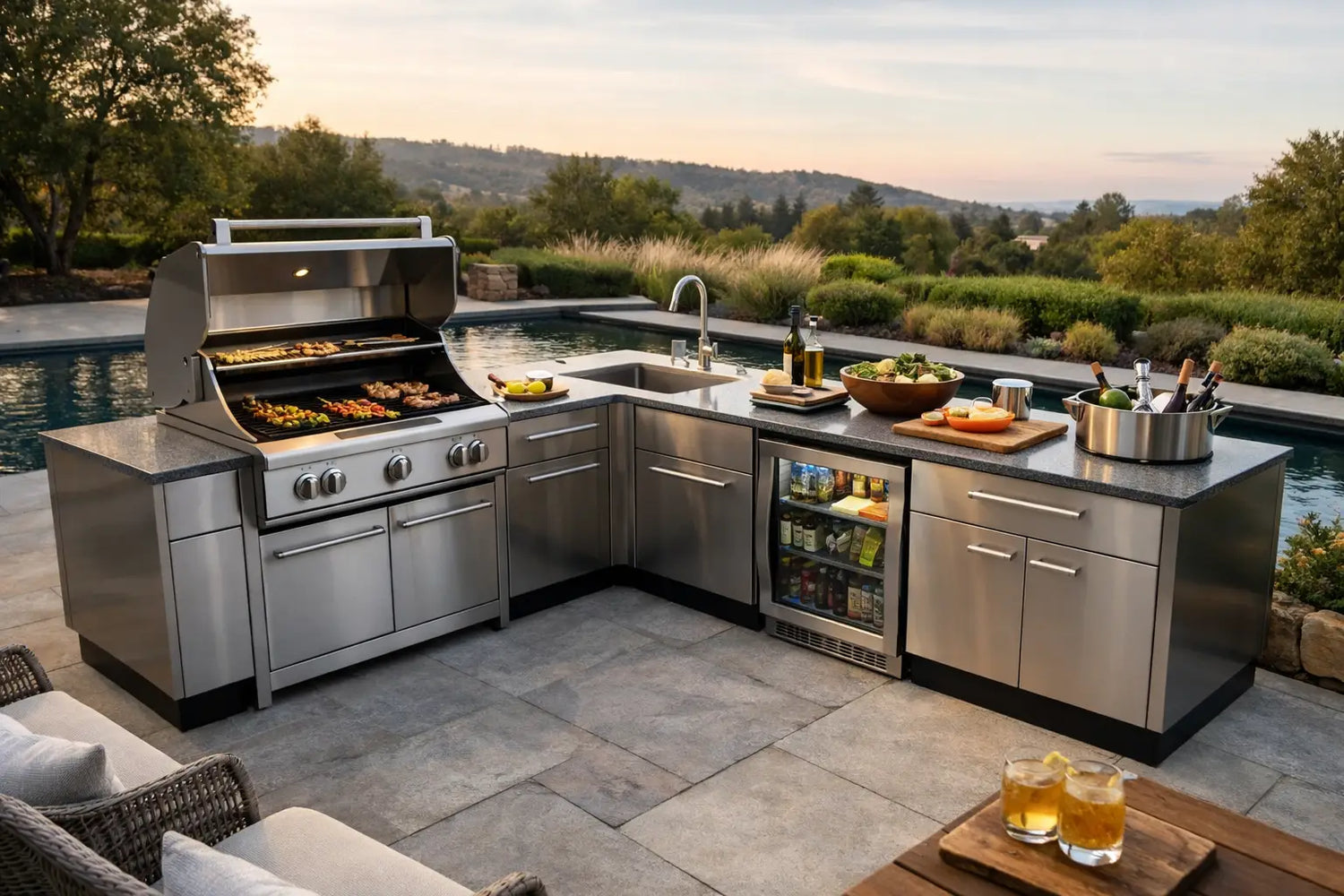
If you have ever priced a custom outdoor kitchen and then looked at the timeline, the contractor coordination, and the installation mess, the real question becomes less about style and more about sanity. Are outdoor kitchen modules worth it? For many homeowners, architects, and hospitality buyers, the answer is yes - especially when the goal is premium design without the delays, guesswork, and site-built compromises that so often come with traditional builds.
That said, modular does not automatically mean better in every case. It means better for a specific kind of buyer: someone who wants a refined outdoor cooking space, expects serious durability, values speed, and has little interest in managing a small construction project in their backyard. If that sounds familiar, modules deserve a close look.
Why are outdoor kitchen modules worth it for so many buyers?
The strongest case for modular outdoor kitchens is simple: they remove friction from a category that usually has too much of it. A traditional outdoor kitchen often involves separate trades, weather delays, material mismatches, site measurements, installation errors, and a final result that may or may not resemble the original concept.
A well-designed modular system changes that experience. Instead of building from scratch on-site, you are selecting pre-engineered components created to work together. That means predictable dimensions, cleaner installation, faster delivery, and a more controlled finish. For premium buyers, that matters because outdoor living is not supposed to feel like a renovation headache.
There is also a design advantage that gets overlooked. Many custom outdoor kitchens promise freedom, but in practice they depend heavily on the capability of local contractors. If the execution is average, the result is average. High-end modular systems are designed as complete architectural products, not improvised cabinet boxes wrapped around appliances. The look tends to be more disciplined, more cohesive, and more aligned with contemporary luxury spaces.
Cost matters, but so does total value
One reason people ask whether outdoor kitchen modules are worth it is that the upfront price can look high compared with a basic DIY or low-spec built-in setup. That is a fair concern. Premium modular kitchens are not the cheapest route into outdoor cooking.
But initial price alone is the wrong lens. The more relevant question is what you are actually paying for. With quality modules, the price usually includes engineered construction, weather-resistant materials, integrated storage, appliance compatibility, and a much simpler installation path. In many cases, it also reduces the hidden costs that appear in custom projects - redesigns, labor overruns, transport issues, finishing work, and prolonged disruption.
For luxury properties, the value calculation becomes even clearer. If the outdoor kitchen is part of a broader entertaining space, pool terrace, rooftop, or hospitality setting, delays and compromises have a cost. A faster and more predictable solution is not just convenient. It protects the project schedule and the finished standard of the property.
Speed is not a small benefit
In premium outdoor living, speed often gets underestimated until a project starts dragging. A custom masonry or carpenter-built kitchen can take weeks or longer once all parties are involved. Add weather, scheduling conflicts, and revisions, and the timeline expands quickly.
Modular kitchens are attractive because they compress that process. Pre-assembled or mostly pre-built systems dramatically reduce what needs to happen on-site. That means fewer variables and far less room for installation chaos. For homeowners, it means using the space sooner. For developers and hospitality operators, it means a faster path from investment to guest-ready use.
This is where the plug-and-play model is especially compelling. It replaces the usual construction burden with a more productized experience. That feels more aligned with the expectations of modern luxury buyers, who want customization without unnecessary complexity.
Are outdoor kitchen modules worth it for design-conscious spaces?
Yes - if aesthetics are a priority and the modules are genuinely premium.
This is where the market splits. Some modular outdoor kitchens look modular in the worst way: boxy, generic, and clearly assembled from standard parts. Others are designed with the level of restraint and material sophistication expected in upscale architecture. The difference is substantial.
Design-conscious buyers want more than function. They want proportion, finish quality, integrated appliance fit, and a system that complements the home rather than competing with it. In that context, modules can be more successful than custom because the detailing has already been resolved at the design stage. Doors align properly. Surfaces work together. Storage, refrigeration, grill housing, and prep areas feel intentional.
For villas, high-end residences, rooftop terraces, and boutique hospitality projects, that consistency is a major advantage. It is easier to specify with confidence when the product has already been engineered as a coherent design object.
Durability is where quality modules justify themselves
Outdoor kitchens live in a punishing environment. Sun, rain, temperature swings, grease, moisture, and airborne debris all take their toll. A beautiful kitchen that ages badly is not a luxury product. It is an expensive mistake.
This is why materials and manufacturing standards matter so much more outdoors than many buyers realize. Premium modules are typically built around weather-resistant metals, durable finishes, and cabinetry systems created for exterior use rather than adapted from indoor standards. That difference affects not only lifespan but also how the kitchen looks after multiple seasons.
A site-built custom kitchen can absolutely be durable, but only when every material choice and every installation step are handled correctly. That is a big dependency chain. Modular systems reduce that risk because the engineering and assembly happen in a controlled manufacturing environment.
For buyers who care about long-term performance, this is one of the strongest arguments in favor of modular. Predictability is valuable, especially outside.
Where custom still has an edge
Modules are not the perfect answer for every project. There are cases where a fully custom build makes more sense.
If you have an unusually shaped site, highly irregular dimensions, or a very specific architectural integration that cannot be achieved through configured modules, custom may be the better route. The same applies if the project requires one-off materials, unusual structural coordination, or a completely bespoke layout beyond standard module logic.
There is also a personality factor. Some buyers enjoy being deeply involved in every design and construction decision. If the process itself is part of the appeal, custom offers maximum authorship.
But for most buyers, especially those who want a premium result without managing endless details, those advantages are not compelling enough to outweigh the extra time and risk.
The best buyers for modular outdoor kitchens
Outdoor kitchen modules tend to be worth it for buyers who see outdoor living as an extension of the home, not an afterthought. They are especially well suited to those furnishing high-value residences, second homes, rental properties, and hospitality spaces where appearance, reliability, and installation speed all matter at once.
They also suit buyers who know exactly what they do not want: a half-finished project, multiple contractor callbacks, or a kitchen that looks custom only from a distance. In this market, confidence has value. So does ease.
That is why brands like ELEEXA have gained traction with design-led customers who expect more than basic utility. The appeal is not merely modularity. It is the combination of premium architecture, appliance compatibility, fast deployment, and a significantly cleaner buying experience.
So, are they worth it?
If you are comparing premium outdoor kitchen modules with a low-budget DIY setup, the answer depends on your expectations. If you simply need a grill and a counter, modules may feel excessive.
If you are comparing premium modules with a true custom outdoor kitchen of similar quality, the answer becomes far more decisive. In many cases, modules offer better control, faster completion, cleaner execution, and fewer installation risks while still delivering the elevated look buyers want.
That is the key distinction. Outdoor kitchen modules are worth it when convenience, design quality, and long-term durability matter as much as the final photo. For affluent homeowners and commercial buyers, those are not extras. They are the standard.
The smartest outdoor kitchen investment is rarely the one with the lowest starting price. It is the one that gives you a space you are proud to use, without turning the path to get there into its own project.