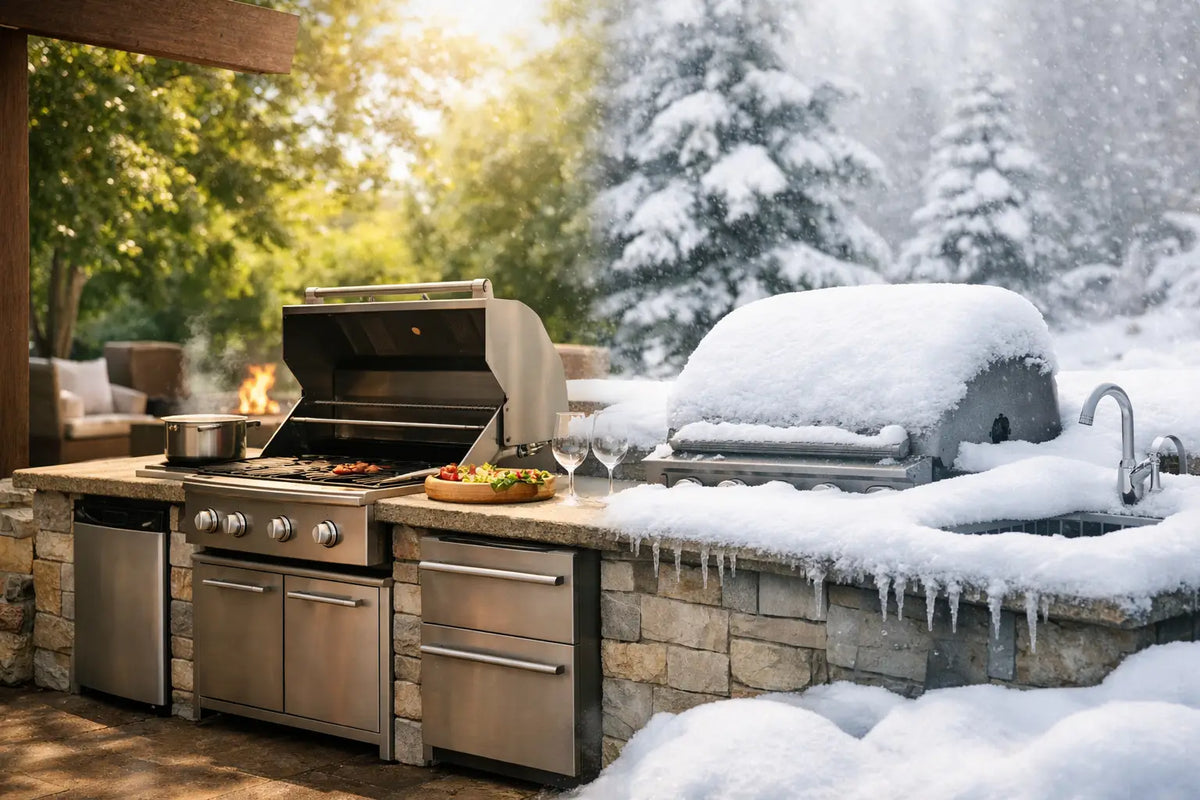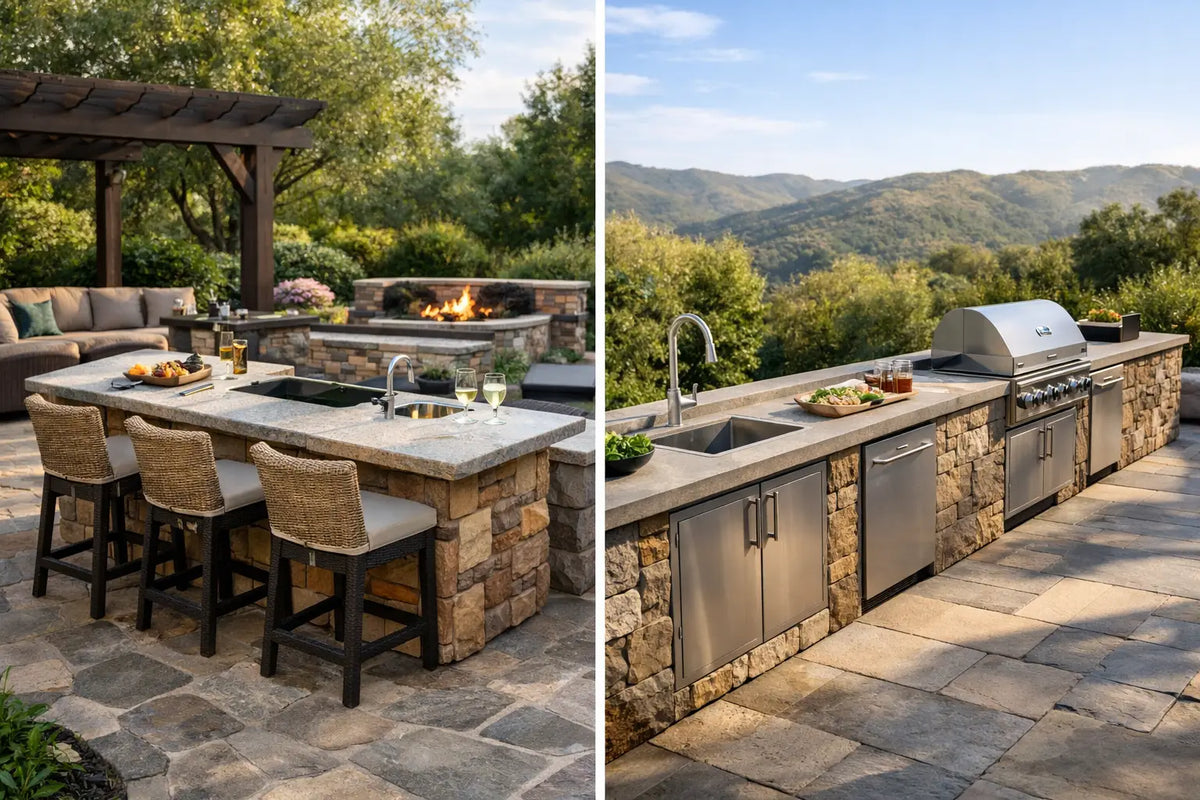
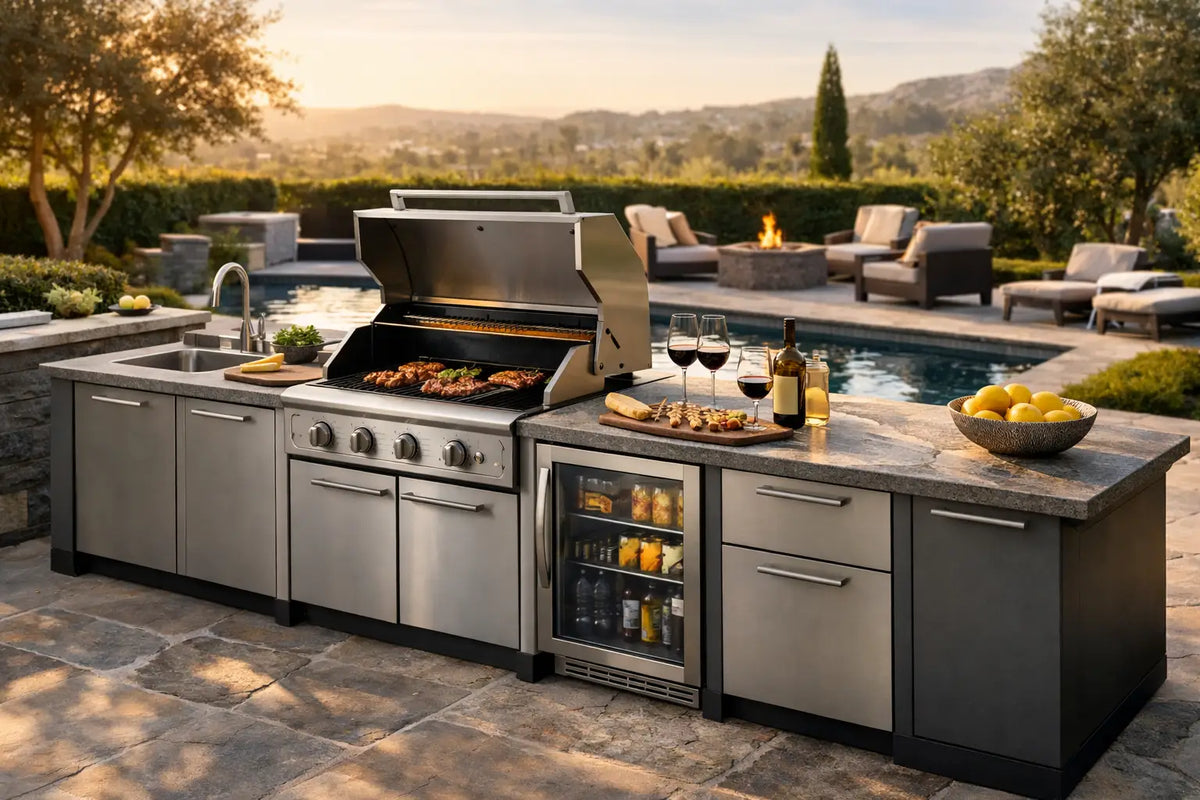
A beautiful backyard can impress. A fully usable outdoor living space can change how a property is valued. That is the real question behind do modular outdoor kitchens add value - not whether they look good in listing photos, but whether they improve daily use, elevate buyer perception, and justify a higher price point when it matters.
For premium homeowners and hospitality buyers, the answer is often yes. But the value is not automatic. A modular outdoor kitchen adds the most when it feels intentional, durable, and architecturally aligned with the property rather than bolted on as an afterthought.
Do modular outdoor kitchens add value in real estate terms?
In practical terms, buyers do not assign value to an outdoor kitchen the way they would count bedrooms or bathrooms. They assign value through desirability. If the space makes the home feel more complete, more luxurious, and more ready to enjoy, it can support stronger offers and faster sales.
This matters most in markets where outdoor living is already part of the lifestyle. In warmer regions, resort-style neighborhoods, luxury developments, and vacation home markets, an outdoor kitchen can move from nice-to-have to expected. In those settings, a well-executed modular system does more than decorate a patio. It expands the functional living area of the property.
That distinction is critical. Buyers are not simply paying for a grill station. They are paying for an outdoor entertaining environment that feels finished. When the kitchen includes proper prep space, weather-resistant cabinetry, integrated appliances, and a layout that supports gathering, it starts to compete with interior renovations in perceived value.
Why modular systems often outperform custom builds
Custom outdoor kitchens still carry prestige, but they also come with familiar risks - inconsistent craftsmanship, long installation schedules, unclear responsibility across trades, and design compromises once construction begins. For many buyers, especially those building or furnishing premium homes, that uncertainty weakens the appeal.
A modular system can solve that. Pre-assembled luxury modules offer a cleaner route to the same end result, with far less disruption. That matters for homeowners who want speed, and even more for developers and hospitality operators who care about timelines, labor coordination, and predictable outcomes.
The best modular outdoor kitchens are not temporary-looking units or lightweight furniture pieces. They are engineered systems built from weather-resistant materials, designed to integrate with high-end grills and appliances, and styled to complement modern architecture. When executed at that level, modular is not a compromise. It is often the more refined buying decision.
That is where value starts to rise. A buyer is more likely to trust a professionally designed system that looks complete from day one than a custom project that may age unevenly or reveal shortcuts over time.
What actually drives value?
The strongest value comes from four factors working together: design quality, material performance, ease of installation, and buyer appeal.
Design quality matters because outdoor kitchens are highly visible. They live in entertainment zones, near pools, terraces, rooftops, and gardens. If the proportions are awkward, the finish looks cheap, or the layout interrupts flow, the kitchen can lower the perceived quality of the entire outdoor area. By contrast, a sleek, well-composed modular setup strengthens the architecture around it.
Material performance matters because buyers notice wear quickly outdoors. Rust, swelling panels, fading finishes, and loose components can make a once-expensive installation feel like a liability. Premium modular kitchens built with weather-resistant metals, durable countertops, and outdoor-rated finishes hold their appearance far better, which protects long-term value.
Ease of installation has a direct financial effect too. Traditional site-built kitchens often require multiple trades, extended labor, and on-site adjustments that push costs upward. A plug-and-play modular system reduces installation complexity and minimizes project drag. Even if the upfront purchase price is premium, the total delivered value can be stronger because the path from purchase to use is faster and cleaner.
Buyer appeal may be the biggest factor of all. A finished outdoor kitchen signals a certain standard of living. It tells future buyers the home was designed for hosting, comfort, and full use of the exterior space. In the luxury segment, those cues matter.
Do modular outdoor kitchens add value for every home?
Not every property will see the same return. A compact suburban yard in a cold climate may not benefit as dramatically as a coastal villa, desert home, rooftop penthouse, or short-term luxury rental. The property has to support the lifestyle the kitchen promises.
Scale is another consideration. An oversized kitchen in a modest yard can feel wasteful. A modest but beautifully designed modular layout in the right setting usually performs better. Value comes from fit, not just features.
It also depends on neighborhood expectations. In some premium communities, buyers expect outdoor entertainment zones with built-in cooking, refrigeration, and storage. If comparable homes offer that level of finish and yours does not, the absence may be more noticeable than the presence. In other areas, the kitchen may be a differentiator rather than a baseline expectation.
That is why the best approach is not asking whether an outdoor kitchen adds value in the abstract. It is asking whether it adds value for this property, in this market, for this buyer profile.
The premium advantage: lifestyle value and resale value
Some upgrades pay back through appraisals. Others pay back through use. Outdoor kitchens can deliver both, especially at the premium end of the market.
Lifestyle value is immediate. You gain an entertainment hub, reduce back-and-forth traffic to the interior kitchen, and create a stronger reason to use the outdoor space more often. For homeowners who host regularly, that benefit is substantial. For hospitality properties, it can elevate guest experience and support higher nightly rates or stronger occupancy appeal.
Resale value tends to follow when the installation looks permanent, polished, and proportionate to the home. Buyers are far more willing to pay for features that feel turnkey. They are less enthusiastic about projects they may need to repair, rebuild, or redesign.
This is one reason high-end modular systems have become more compelling. They combine the visual authority of a custom installation with a more controlled and dependable delivery model. For a category once defined by construction friction, that is a major shift.
Where modular kitchens can lose value
There are situations where an outdoor kitchen does little for resale and may even work against it. Cheap materials are the fastest way to undermine the investment. If cabinetry warps, hardware corrodes, or the finish deteriorates after one or two seasons, the kitchen stops reading as an asset.
Poor placement creates another problem. A kitchen too far from the entertaining area, too exposed to weather, or awkwardly placed in the yard can feel impractical. Buyers notice when a layout was chosen for convenience during installation rather than actual use.
Over-customization can also narrow appeal. A neutral, elegant modular design with broad appliance compatibility is usually safer than a highly specific setup built around one personal preference or visual trend. Luxury buyers appreciate quality, but they also want flexibility.
This is why premium engineering and restrained design matter so much. The goal is to make the kitchen feel like part of the property, not a statement piece fighting for attention.
How to choose a modular kitchen that strengthens property value
Start with architectural fit. The kitchen should echo the home’s style, not compete with it. Clean lines, durable finishes, and integrated proportions tend to age better than trend-driven forms.
Next, consider appliance compatibility and real functionality. Prep space, storage, grill integration, and circulation all matter. A stunning layout that is frustrating to use will not hold its value well.
Then look closely at installation logic. Pre-assembled modules offer a major advantage when they arrive engineered for fast placement and straightforward utility connection. Less jobsite complexity usually means less risk, less delay, and a better final result.
Finally, think beyond the purchase moment. Maintenance, weather exposure, and long-term appearance are part of the value equation. Premium systems from specialists such as ELEEXA are designed to reduce those concerns while delivering the visual standard luxury buyers expect.
The smarter way to think about return
A modular outdoor kitchen should not be viewed as a generic backyard accessory. At the high end, it is a property enhancement that blends architecture, entertaining, and convenience into one visible upgrade. When it is well designed and properly matched to the home, it can make the entire outdoor environment feel more expensive, more complete, and more desirable.
That is why the best buyers do not ask only what it costs. They ask what it changes. If the answer is faster enjoyment, less installation friction, stronger design impact, and better buyer perception later on, the value is already taking shape.
The most successful outdoor kitchens do not just fill space. They make the property feel finished.