A great terrace can photograph well, fill seats, and still fail the guest experience the moment service starts. The usual problem is not the view. It is the gap between atmosphere and function. An outdoor kitchen for boutique hotel settings closes that gap by turning underused exterior space into a high-value, service-ready destination that feels curated rather than improvised.
For boutique hospitality, the outdoor kitchen is not a backyard feature scaled up for commercial use. It is part of the brand story. Guests read every surface, every finish, every detail of flow as a signal of quality. If the kitchen looks temporary, takes too long to install, or ages badly after one season, the property pays for it twice - once in cost, and again in perception.
Why an outdoor kitchen for boutique hotel projects matters
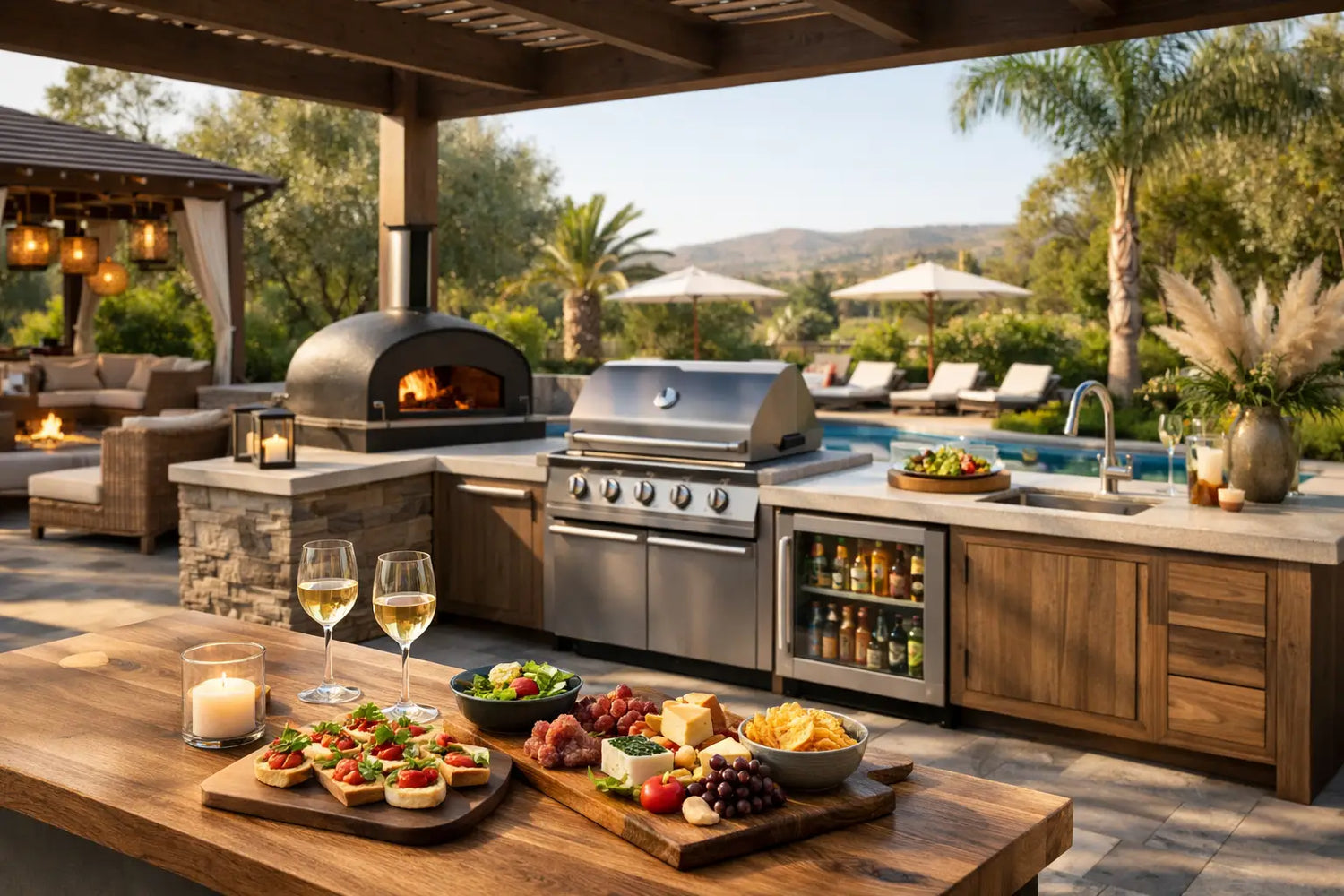
Boutique hotels compete on character, not volume. That changes what an outdoor kitchen needs to do. It has to support service, but it also has to create a scene. Breakfast on a courtyard patio, sunset cocktails around a live-fire grill, a chef-led tasting by the pool, or private dining on a rooftop all become more credible when the cooking environment looks intentional and performs like permanent architecture.
This has direct commercial value. A well-planned outdoor kitchen can increase food and beverage revenue, extend the use of exterior areas, and make shoulder seasons more profitable when paired with heating, shelter, and efficient workflow. It can also sharpen the hotel’s content appeal. Guests book with their eyes first. An outdoor dining setting with a serious kitchen behind it earns attention in a way a portable grill never will.
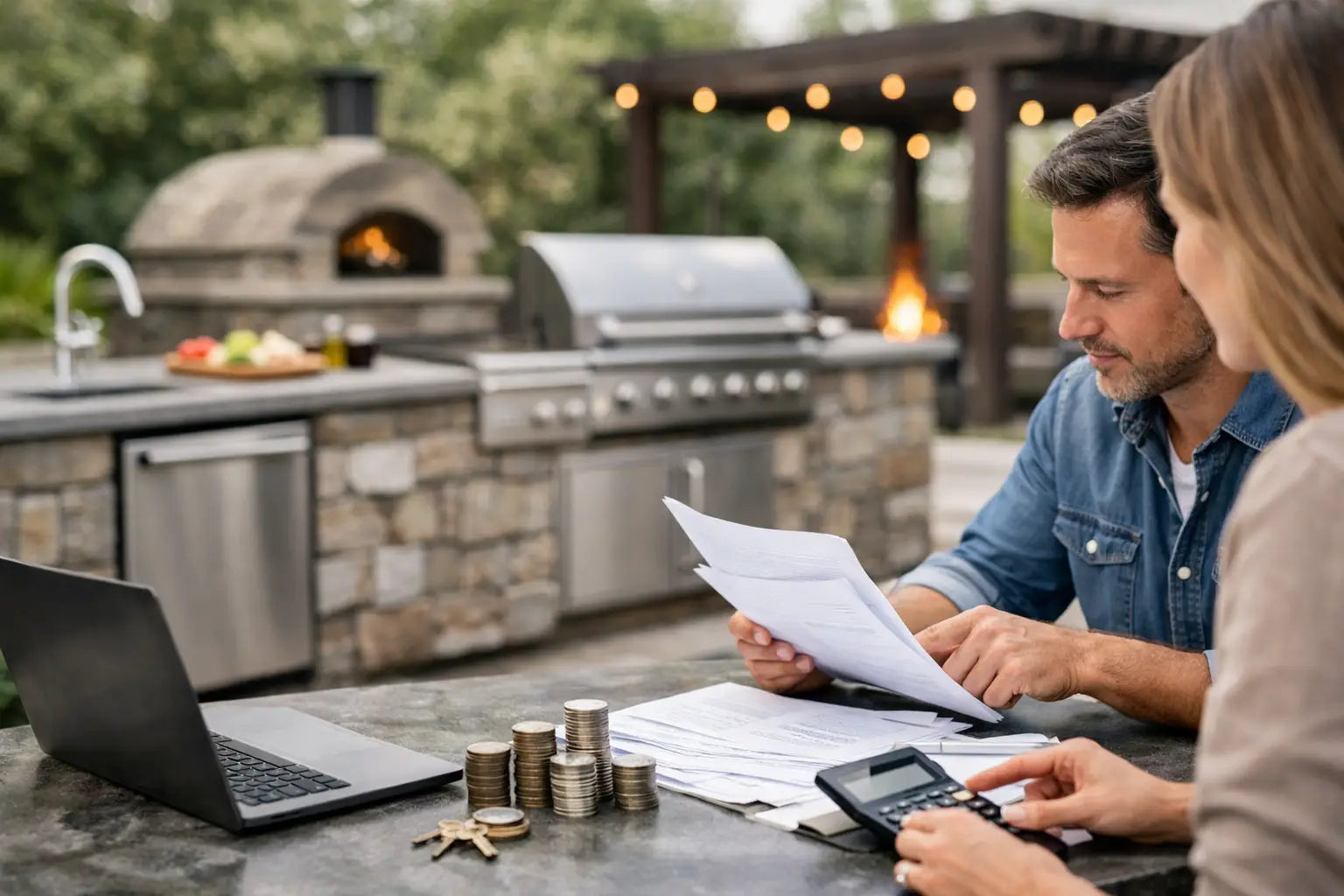
There is also an operational argument. Many boutique properties do not have the footprint or appetite for major construction. Traditional custom outdoor builds often involve multiple trades, unclear timelines, site disruption, and too many opportunities for compromise. For hospitality buyers, speed and predictability are not conveniences. They are part of protecting opening dates, guest satisfaction, and return on investment.
What boutique hotels actually need from an outdoor kitchen
The right solution starts with use case, not just aesthetics. A property serving light breakfast and evening drinks needs a different configuration than a hotel hosting chef events or high-volume poolside dining. The best outdoor kitchen for boutique hotel operations matches capacity to service style without overbuilding.
In most cases, four factors matter more than buyers expect.
First is workflow. Staff should be able to prep, cook, plate, store, and clean without awkward movement or bottlenecks. A beautiful island layout means very little if service requires constant trips back indoors for refrigeration, washing, or staging.
Second is durability. Hospitality use is harder than residential use, even in intimate properties. Surfaces are cleaned more often, appliances run longer, and exposure is more constant. Materials must hold their finish under sun, moisture, grease, and repeated use while maintaining a luxury appearance.
Third is installation logic. Boutique hotels rarely want a drawn-out site build in the middle of an operating season. Pre-assembled modular systems have a clear advantage here because they reduce labor, shorten disruption, and produce a more controlled result.
Fourth is design alignment. The kitchen must belong to the property. A coastal retreat may need pale architectural finishes and an open, relaxed layout. An urban rooftop may call for darker tones, integrated lighting, and a cleaner visual line. Boutique hospitality is highly image-conscious, so mismatched products stand out immediately.
The case for modular over fully custom
Custom does not always mean better. In hospitality, it often means slower, messier, and more dependent on contractor interpretation. A modular system can deliver a more refined outcome because it is engineered in advance, manufactured under controlled conditions, and installed with fewer variables.
That matters when consistency is part of the luxury experience. Pre-assembled modules reduce the risk of poor site finishing, awkward tolerances, and weather-related delays. They also make it easier to plan around known dimensions, appliance compatibility, and service requirements. For developers and hotel owners, that means fewer unpleasant surprises between concept approval and launch.
A premium modular approach also supports scale. If a hotel group wants a signature outdoor F&B concept repeated across multiple properties with slight local adjustments, modular design makes that far easier than reinventing a bespoke build every time.
Design priorities that elevate the guest experience
A boutique hotel outdoor kitchen has to work hard without looking busy. The strongest layouts feel quiet, architectural, and confident. They support the experience without turning the whole terrace into a back-of-house zone.
Built-in grill integration is usually central, but refrigeration, sink modules, storage, prep surfaces, and bar-style serving space often determine how useful the kitchen really becomes. If the hotel intends to host interactive dining, chef demonstrations, or premium private events, guest-facing presentation becomes just as important as pure cooking capacity.
Lighting deserves more attention than it often gets. Daytime atmosphere sells the setting, but evening service defines profitability. The kitchen should remain visually sharp after dark, with enough task lighting for staff and enough ambient control to preserve mood.
Material selection is equally strategic. Powder-coated metals, marine-grade elements, weather-resistant cabinetry, and hard-wearing countertops help maintain the appearance expected in luxury hospitality. The point is not just longevity. It is keeping the kitchen looking expensive after repeated exposure and heavy use.
Operational trade-offs to think through early
There is no single perfect configuration because every property operates differently. A chef-driven destination hotel may prioritize showmanship and event flexibility. A quiet design-led inn may care more about compact footprint, low visual noise, and effortless breakfast service.
Open-fire cooking, for example, creates theater and aroma, but it may add ventilation concerns, cleaning demands, and fuel management. A larger refrigerated setup improves independence from the indoor kitchen, but it raises upfront cost and utility planning. More seating around the kitchen creates interaction, yet too much guest proximity can complicate service.
These are not reasons to scale back. They are reasons to plan with precision. The most successful projects are the ones that define the kitchen’s role clearly before choosing modules, appliances, and layout.
Speed, simplicity, and the value of plug-and-play thinking
One of the biggest missed opportunities in hospitality purchasing is underestimating the cost of complexity. Every extra contractor, site visit, and installation stage adds friction. That friction shows up in delays, coordination issues, and quality inconsistencies.
A plug-and-play outdoor kitchen changes that equation. When core modules arrive pre-assembled and engineered to work together, the path from design decision to operational use becomes far cleaner. For boutique hotels, that can mean opening an exterior dining concept in time for the season rather than after it.
This is where premium manufacturers stand apart from generic outdoor kitchen suppliers. The value is not only in the finish. It is in the discipline of the system. Refined modular design, appliance compatibility, architectural styling, and fast deployment create a very different ownership experience. ELEEXA is built around that logic, which is exactly why it resonates with design-conscious hospitality buyers who want luxury without construction drama.
Choosing an outdoor kitchen for boutique hotel success
The smartest buyers look beyond the headline image and ask harder questions. Will this kitchen still look exceptional after two summers? Can it support the property’s real service model, not just an aspirational one? How quickly can it be installed? How much site work is truly required? And does it elevate the hotel’s identity rather than simply fill space?
A strong answer usually points to a modular luxury system with commercial-grade resilience, clear design language, and minimal installation burden. The kitchen should feel like an extension of the hotel’s architecture, not a separate product dropped onto the terrace.
Boutique hospitality wins through detail. Guests remember the mood of a courtyard dinner, the confidence of an open-air chef station, and the ease of a space that feels beautifully resolved. An outdoor kitchen done properly does more than support service. It gives the property a setting guests want to return to - and one they are eager to share before they even check out.