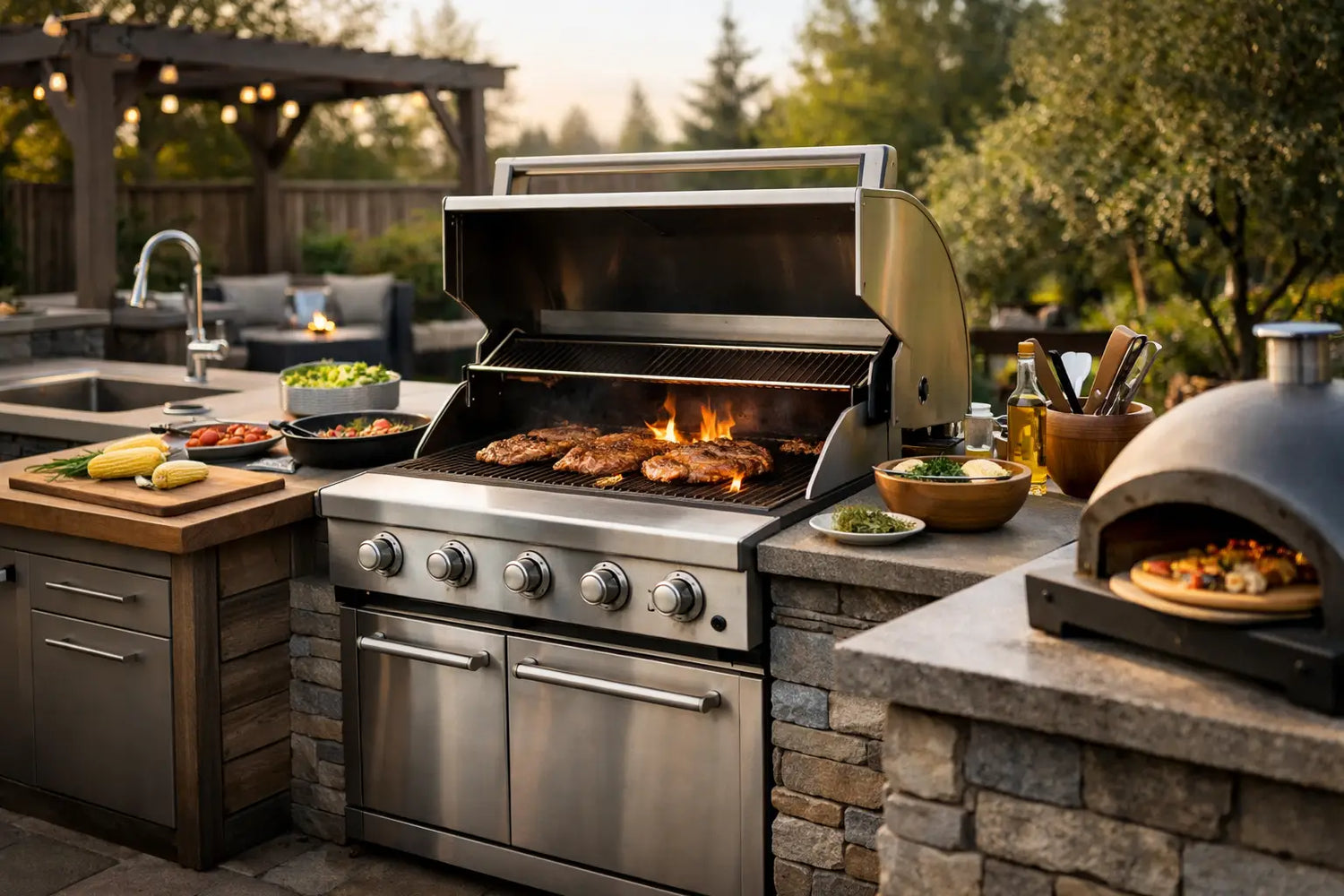
A grill on a patio is useful. A properly designed cooking station changes how the entire outdoor space performs. The question of how to create an outdoor cooking station is not simply about choosing a barbecue. It is about designing a place where cooking, serving, conversation, and cleanup happen with the same confidence and comfort as they do indoors.
For a terrace, backyard, rooftop, or hospitality setting, the best result begins with a clear plan. Get the location, workflow, materials, and installation approach right first, and the finished kitchen will feel intentional rather than assembled around a single appliance.
How to Create an Outdoor Cooking Station With a Real Plan
Start with the way you expect to use the space. A station for quiet family dinners has different requirements than one intended for weekend gatherings of 15 guests, cocktail service, or a luxury rental property. The grill may be the visual centerpiece, but it should not dictate the entire layout.
Think through the journey of a meal. Food needs to move from cold storage to prep surface, then to the grill, and finally to a serving area. Drinks should be accessible without forcing guests through the cook's working zone. Waste, tools, platters, and cleaning supplies also need a considered home. When these details are ignored, even expensive outdoor kitchens can feel cramped and disorganized.
Measure the available footprint before choosing modules or appliances. Account for door swings, drawer access, grill-lid clearance, seating circulation, and a comfortable path between the home and the station. In a compact space, a linear arrangement against a wall can be highly effective. In a larger yard, an L-shaped layout or island creates more prep area and naturally separates cooking from entertaining.
The goal is not to fill every inch. Luxury outdoor living depends on proportion. Leave room for people to move, stand, and enjoy the atmosphere around the kitchen.
Choose the Right Location Before You Choose the Grill
Position determines performance. A cooking station should sit close enough to the house for practical access to food and supplies, yet far enough away to keep smoke, heat, and cooking traffic from interrupting indoor life. Consider prevailing winds, the direction of the afternoon sun, privacy, and the view from the seating area.
Avoid placing a grill directly beneath low branches, unprotected overhangs, or combustible structures. Local codes and appliance specifications should guide safe clearances, ventilation, gas connections, and electrical work. A beautiful installation is only premium if it is also properly planned and safely executed.
For exposed properties, think beyond the first season. A coastal terrace, mountain home, or open rooftop can face wind-driven rain, salt air, snow, intense UV exposure, and dramatic temperature shifts. The location may need a pergola, shade structure, wind screening, or a strategically placed wall for protection. These additions can improve comfort, but they must never compromise ventilation around live-fire appliances.
Build Around the Cooking Experience
The cooking appliance is the heart of the station, so select it according to the food and hosting style you value. A powerful gas grill suits frequent, fast-paced entertaining. A ceramic cooker offers exceptional heat retention for smoking, baking, and low-and-slow cooking. Some households want both, while hospitality projects may need a more expansive professional grilling setup.
Compatibility matters. The cabinetry and countertop should be engineered for the dimensions, heat requirements, access points, and maintenance needs of the appliance. A built-in grill cannot be treated as a decorative cutout. It requires correct airflow, stable support, and practical access for servicing gas lines, grease management, and ignition components.
Then add the features that make cooking outdoors feel effortless. A generous prep area is often more valuable than another decorative cabinet. Deep drawers keep tools close at hand. A pull-out waste solution prevents clutter. Refrigerated storage reduces trips indoors, while a sink becomes especially useful when the station is used frequently or far from the house.
Not every station needs every feature. On a small balcony, a premium grill, focused prep surface, and concealed storage may be the right answer. At a vacation villa, a fridge, sink, bar module, and substantial serving counter can turn the kitchen into the social center of the property.
Select Materials That Belong Outdoors
Outdoor kitchens are exposed architectural elements, not indoor cabinets moved outside. Materials must withstand moisture, UV light, grease, heat, spills, and repeated use without sacrificing their finish or structural integrity.
Powder-coated metal cabinetry, weather-resistant aluminum structures, outdoor-rated countertops, and marine-grade hardware are strong choices when specified correctly. The finish should be easy to clean and designed to maintain its visual depth through changing weather. Countertops need to resist staining, heat, and frost conditions appropriate to the region.
Design should also be considered in context. A matte black station can create a striking contrast against pale stone and contemporary architecture. Earthy tones can soften a garden setting. A stainless-steel grill integrated into tailored cabinetry gives the cooking zone a more architectural presence than a freestanding appliance alone.
There is a trade-off between highly textured natural materials and everyday maintenance. Natural stone is distinctive, but porous surfaces may require sealing and careful care. Engineered outdoor surfaces can offer a more predictable maintenance routine. The right decision depends on climate, use frequency, and how much upkeep the owner expects to accept.
Plan Utilities Early, Not After Delivery
Gas, electricity, water, drainage, and lighting are easiest to manage before the final kitchen configuration is selected. Retrofitting utilities after a station arrives can add cost, delay the project, and restrict placement.
A gas grill may require a dedicated natural gas line or a properly housed propane solution. Refrigeration, outlets, and task lighting require weather-rated electrical planning. If a sink is included, water supply and drainage must be resolved according to local requirements. Even where a sink is not practical, a nearby hose connection can improve cleaning and maintenance.
Lighting deserves more attention than it usually receives. Strong task lighting at the grill and prep surface supports safe evening cooking. Softer ambient lighting around seating and cabinetry creates a more inviting setting after dark. Keep controls accessible and choose fixtures designed for outdoor exposure.
Why Modular Design Changes the Project
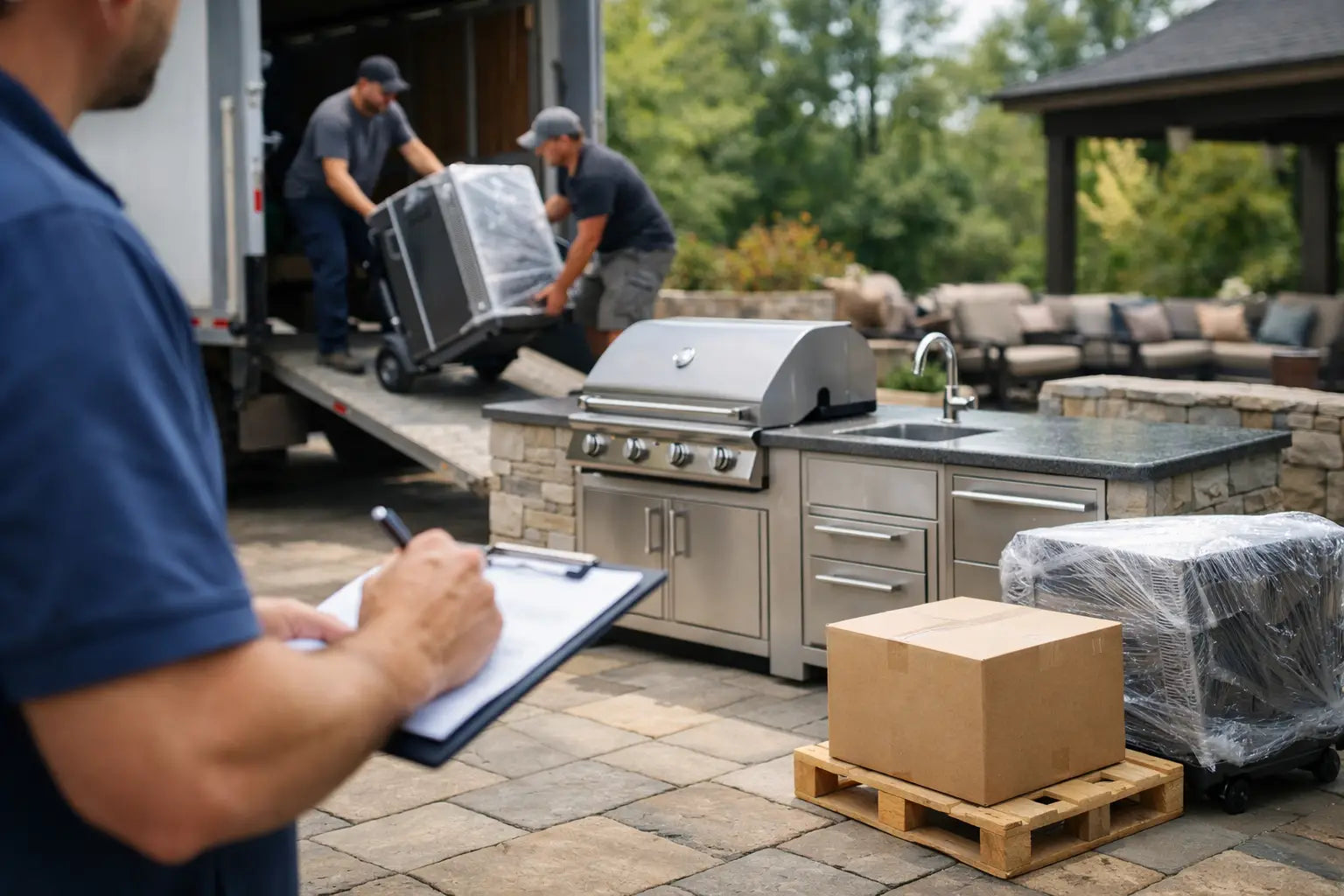
Traditional built-in outdoor kitchens can involve multiple contractors, uncertain schedules, masonry work, on-site fabrication, and inconsistent finishing. For buyers who expect exceptional design without a drawn-out construction process, modular systems offer a more intelligent path.
Pre-assembled modules arrive with cabinetry, storage, countertops, and appliance integration designed as one considered system. This approach shortens installation time, reduces on-site disruption, and provides more certainty over the final appearance. It also makes future reconfiguration more realistic than a permanently built masonry structure.
ELEEXA brings this principle to a luxury level, pairing European-made modular kitchen systems with architectural finishes, outdoor-ready materials, and compatibility with leading grill brands. The result is a refined station that can be tailored to the property while avoiding the usual burden of a fully custom site build.
For developers and hospitality buyers, modularity also supports repeatable quality across multiple properties. A proven configuration can be adapted in finish, appliance selection, and layout while preserving a consistent premium standard.
Give the Station Room to Entertain
A cooking station performs best when it supports the host without isolating them. If space allows, extend the countertop into a bar-height ledge or adjacent serving area. Guests can sit nearby, enjoy a drink, and stay part of the occasion without standing in front of hot appliances or blocking prep space.
Consider storage for tableware, outdoor textiles, and serving pieces as part of the kitchen plan. These small details reduce the repeated trips indoors that interrupt a gathering. A dedicated beverage zone also keeps traffic away from the grill when several people are outside.
For a more private setting, a simple counter facing the garden may be all that is needed. The most successful design is not the one with the longest feature list. It is the one that makes the intended experience feel natural, composed, and easy to repeat.
Protect the Investment Through Every Season
Even the finest outdoor materials benefit from sensible care. Clean grease and food residue from the grill after use, wipe counters with products approved for their surface, and keep drains clear. Check gas connections and appliance components according to manufacturer instructions, particularly after winter or extended periods without use.
Use fitted covers where appropriate, but do not rely on a cover to correct poor material choices or inadequate drainage. Water should move away from cabinetry and the foundation, while ventilation openings must remain unobstructed. In severe winter climates, seasonal appliance preparation may be necessary.
An outdoor cooking station should earn its place every time people gather. Design it around your real habits, choose materials that can handle the setting, and favor a construction approach that delivers precision from the first day outdoors.